



Buying 3D printing filament: which material is best for your project?
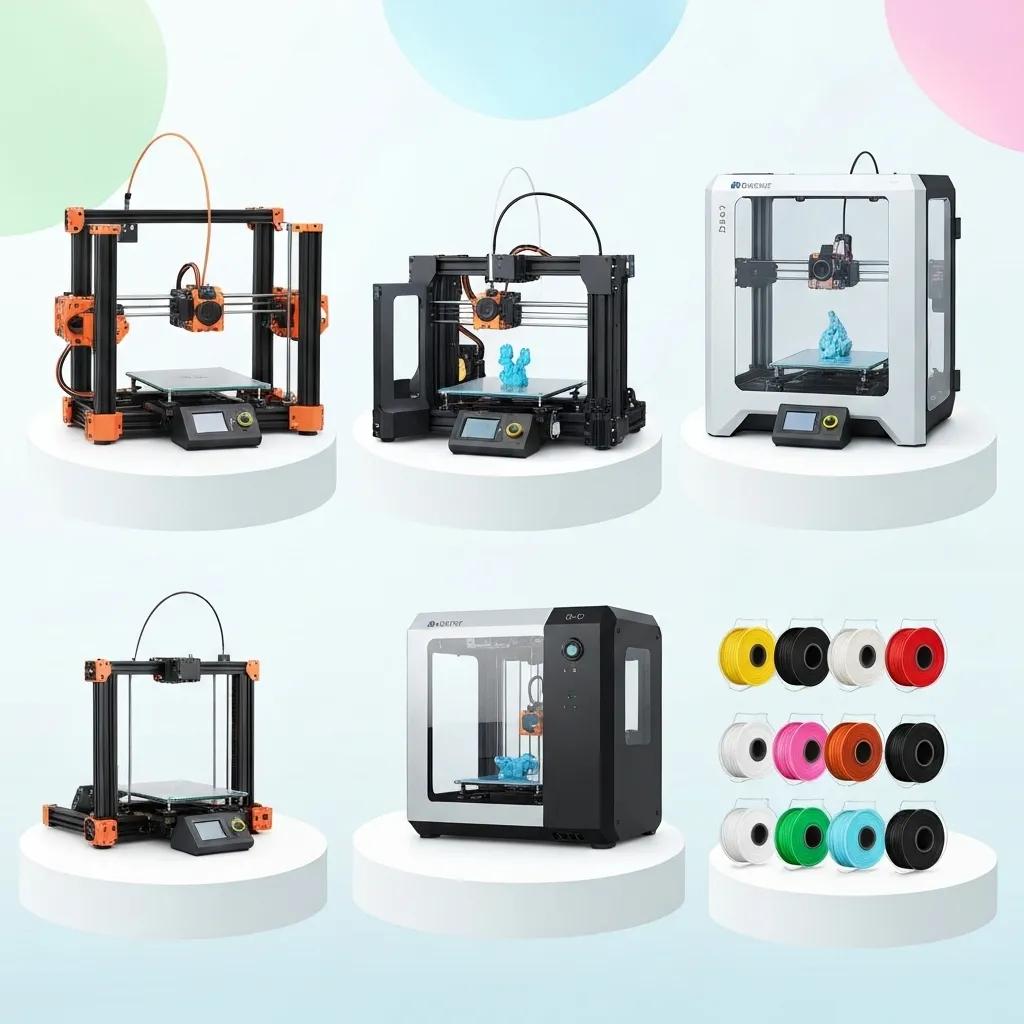
A successful 3D print starts with choosing the right filament: whether prototype, decoration, or functional component – each material offers unique properties. This guide shows you how to make the ideal choice when buying 3D printing filament by providing transparent comparisons, target group recommendations, and practical storage tips.
In the following you will learn:
- What the main filament types are and what they are suitable for
- How to directly compare PLA, PETG, and ASA
- Which materials are optimal for which users
- Important purchase criteria from temperature to diameter
- Storage methods for maximum print quality
- Answers to key user questions
- Why 3ddruckboss.de is your first point of contact
What types of 3D printing filaments are there and what properties do they have?
3D printing filaments are thermoplastic plastics that deform when heated and form solid objects after cooling. Their chemical composition determines strength, flexibility, and temperature resistance. The overview provides clear buying recommendations for beginners and professionals.
What makes PLA filament the best all-rounder for beginners?
PLA (polylactide) is a biodegradable filament that impresses with low shrinkage and low printing temperatures (190–220 °C).
- High printability: adheres reliably without a heated print bed
- Environmental advantage: made from renewable raw materials
- Versatile applications: prototypes, decoration, model making
PLA enables a stress-free entry into 3D printing and creates detailed objects with minimal effort.
Properties and applications of PLA filament in 3D printing
Polylactic Acid (PLA) is a biodegradable plastic made from renewable resources such as corn starch or sugarcane. It is characterized by easy processing at relatively low printing temperatures (180–220 °C), low warping tendency, and good detail accuracy, making it an ideal choice for beginners and for printing prototypes and models.
These research findings support the article's description that PLA is an easy-to-handle, environmentally friendly filament suitable for beginners and various models.
Why is PETG filament ideal for robust and versatile prints?
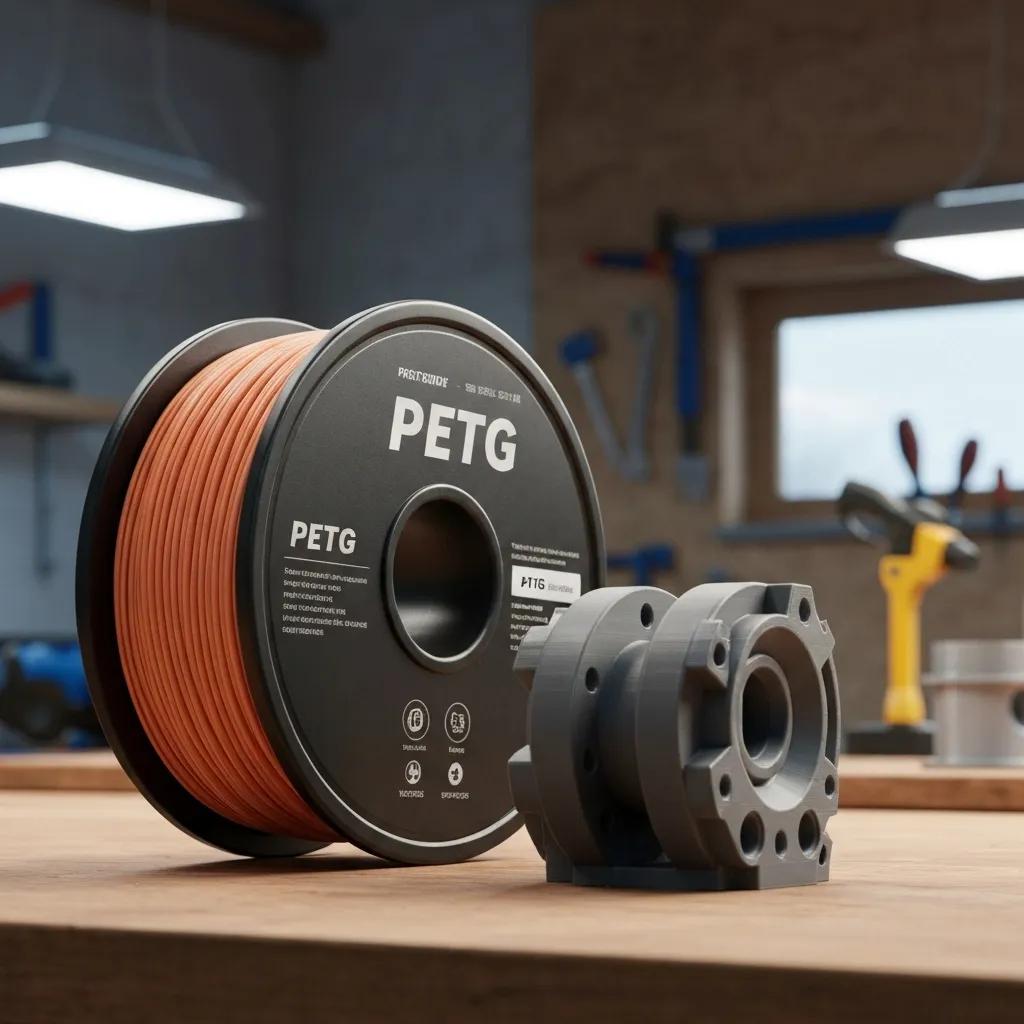
PETG (Polyethylene Terephthalate Glycol) combines high strength with good chemical resistance.
- Toughness: Resists impacts and bending
- Temperature stability: Usable up to 70 °C
- Low moisture absorption: Prevents glass bubbles in printing
PETG is suitable for functional parts that must withstand mechanical stress and moisture.
Mechanical properties and versatility of PETG filament
PETG (Polyethylene Terephthalate Glycol) combines high strength, impact resistance, and good chemical resistance. It is resistant to mechanical stress and moisture, offers improved temperature resistance (up to 70–80 °C) compared to PLA, and is therefore suitable for functional and technical parts that must withstand mechanical stress and moisture.
These results confirm the superior mechanical properties, chemical resistance, and suitability of PETG for robust, functional prints highlighted in the article.
What advantages does ASA filament offer for outdoor and UV-resistant applications?
ASA (Acrylonitrile Styrene Acrylate) is a UV-stable thermoplastic that hardly yellows under sunlight and has high weather resistance.
- UV resistance: Colorfastness over years
- Weather resistance: Resistant to rain and heat
- High impact resistance: For robust housings
ASA allows for reliably producing weatherproof parts for outdoor use.
UV and weather resistance of ASA filament for outdoor applications
ASA (Acrylonitrile Styrene Acrylate) is a thermoplastic known for its excellent UV resistance, weather resistance, and high mechanical strength. It hardly yellows under sunlight and retains its colorfastness and impact resistance even under extreme weather conditions, making it ideal for durable outdoor applications such as automotive parts or outdoor decorations.
These research findings support the article's statements regarding the exceptional resistance of ASA to UV radiation and weathering, making it ideal for outdoor components.
What specialty filaments are there and when are they useful?
Besides standard plastics, there are filaments with special fillers that offer specific advantages.
- Carbon fiber reinforced filament for maximum stiffness
- Wood-filled filament for natural look and feel
- TPU (Thermoplastic Polyurethane) for elastic and shock-absorbing parts
- Metal-filled filament for engraved decorations
These specialty filaments significantly expand the range of applications and encourage creative experiments.
How to compare 3D printing filaments: Which material is the best?
A targeted comparison shows differences in strength, flexibility, and printability. Below is a structured comparison to support your purchasing decision.
| Filament type | Strength | Flexibility | Printability | UV resistance |
|---|---|---|---|---|
| PLA | Medium | Low | Very easy | Low |
| PETG | High | Medium | Medium | Medium |
| ASA | Medium | Medium | Demanding | High |
How do PLA, PETG, and ASA differ in strength, flexibility, and printability?
PLA impresses with easy handling, PETG with maximum toughness, and ASA with high weather protection. Beginners benefit from PLA, while PETG meets functional stresses. ASA is recommended for UV-exposed parts.
Which filament is easiest to print and suitable for beginners?
PLA is the simplest filament: it requires no heated print bed, tolerates temperature fluctuations, and delivers reliable results without post-processing.
Which filament is best suited for functional and technical parts?
PETG offers optimal mechanical strength and chemical resistance, making technical parts like brackets, gear models, or housing parts robustly manufactured.
Which filament is optimal for outdoor applications and weather resistance?
ASA withstands UV radiation and temperature fluctuations, so housings, signs, or mounting systems outdoors retain their shape and color long-term.
Who are which 3D printing filaments suitable for?
Different user groups have different material requirements. A targeted recommendation avoids bad purchases and optimizes results.
Which filament is best for 3D printing beginners?
PLA is ideal for beginners because it is easy to handle and delivers impressive prints with minimal basic settings.
Which filaments do advanced users and professionals prefer?
Advanced users rely on PETG and ABS for higher durability, while professionals use carbon- or metal-filled specialty filaments to produce highly precise, technical components.
Which filaments are ideal for companies, schools, and authorities?
Companies and institutions benefit from robust PETG or ASA filaments, as these produce durable, weather-resistant parts that meet professional requirements.
What should you look for when buying 3D printing filament?
The choice depends on material properties, print compatibility, and practical purchasing aspects. Consider these criteria to avoid bad purchases.
- Print temperature and shrinkage – Precision and adhesion to the print bed
- Brand quality and purity – Consistent material properties and color fidelity
- Diameter accuracy and packaging size – Consistent filament flow
An informed decision starts with technical data and ends with consumption and storage size.
How do material properties affect print quality?
Temperature requirements, shrinkage behavior, and adhesion determine the detail accuracy, warpage resistance, and surface finish of your prints.
What role do brands and quality play in filament purchase?
High-quality brands like eSun or Polymaker guarantee tight tolerances and consistent extrusion, minimizing print errors.
How important are color, diameter, and packaging size?
Uniform diameter (1.75 mm) prevents ratchet marks, a wide color selection supports design freedom, and larger spools reduce production interruptions.
How to properly store and care for 3D printing filaments for the best results?
Improper storage leads to moisture damage and print defects. Proper methods ensure lasting material quality.
- Dry storage in airtight containers with silica gel
- Avoiding direct sunlight and temperature fluctuations
- Occasional re-drying at 50 °C
These measures maintain your material strength and printability.
Why is moisture protection important for filament?
Moisture in the filament creates steam bubbles during the extrusion process, leading to porosity and poor surface quality.
Which storage methods extend the shelf life of filaments?
Airtight containers with desiccants, refrigerator storage in sealed bags, and regular re-drying ensure consistent material properties.
What common questions do users ask about 3D printing filaments?
The right answers regarding strength, compatibility, and safety aspects avoid uncertainties and promote well-informed purchasing decisions.
Which filament is the strongest and most durable?
Carbon fiber reinforced filaments offer the highest stiffness and durability as they integrate carbon fibers into the plastic matrix.
Can all filaments be used with any 3D printer?
Basically, filaments with 1.75 mm or 2.85 mm diameter are universally compatible, provided your printer supports the required extrusion temperatures.
Are there food-safe 3D printing filaments?
Specially certified PLA and PETG with FDA approval enable food-safe prints but should be used in suitable printers under strict hygiene conditions.
What is the difference between PLA and PETG?
PLA is biodegradable and easier to print, while PETG offers higher strength, temperature resistance, and chemical resistance.
Where can you buy the best 3D printing filament?
A trustworthy source convinces with assortment, advice, and quality assurance. 3ddruckboss.de combines all advantages for beginners and professionals.
Why is it worth buying at 3ddruckboss.de?
3ddruckboss.de offers a wide range of renowned brands, technical advice, and guaranteed material consistency for successful print results.
How to find the right filament in the online shop?
Using filter functions by material property, printing temperature, and diameter, you can directly find the suitable filament without any search effort.
Which brands and filament types are available at 3ddruckboss.de?
- eSun PLA and PETG
- Polymaker ASA and ABS
- Carbon-filled and wood-filled specialty filament
In conclusion, the targeted choice of the right filament ensures your print quality and efficiency. With the right material and reliable sources, you achieve professional results – from detailed models to robust functional parts. Rely on comprehensive advice and high-quality products to successfully implement your 3D printing project.